


What buyers need to know before choosing a matcha grade.
Understand the production process, sensory vocabulary, application behavior and storage factors behind a useful sample decision.
The prepared product contains the finely milled leaf.
Tea plants may be shaded before harvest to influence color and flavor development. Selected leaves are processed, refined and finely milled. Because the powder remains in the cup or recipe, raw material, processing, dosage and storage all affect the finished result.
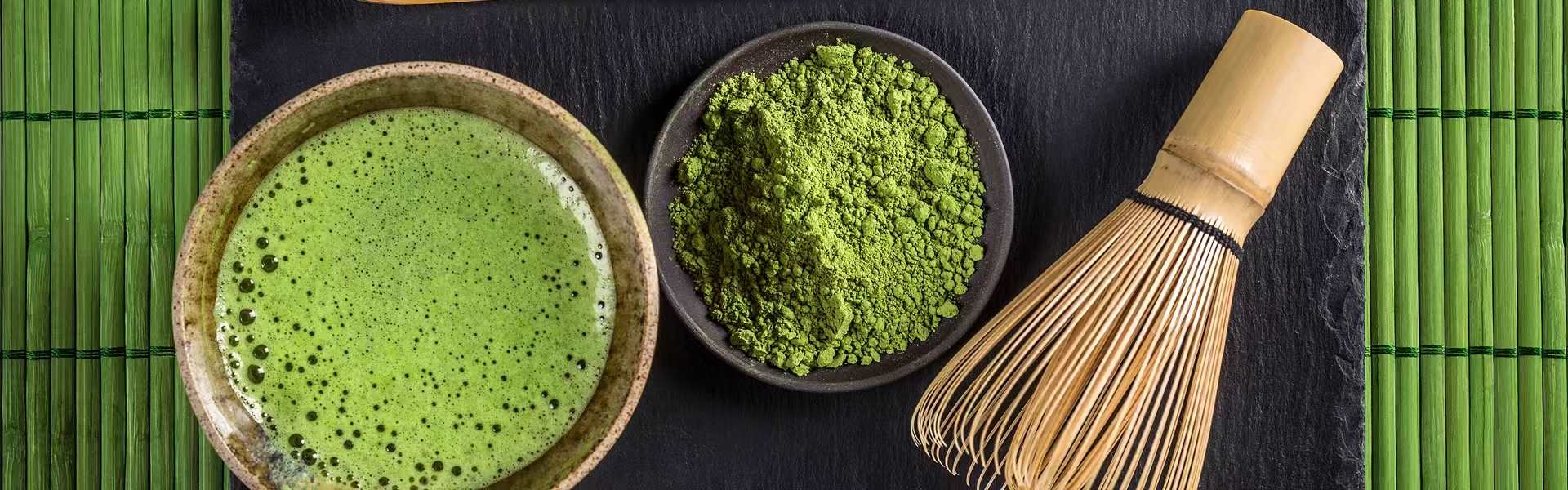
Umami
A savory, rounded quality that can soften bitterness and extend the finish.
Astringency
A drying sensation that may feel refreshing in balance or harsh when mismatched.
Fresh aroma
Green, marine, sweet or nutty notes vary by leaf, process and storage condition.
Color
Vivid green can be desirable, but color alone cannot predict taste or recipe performance.
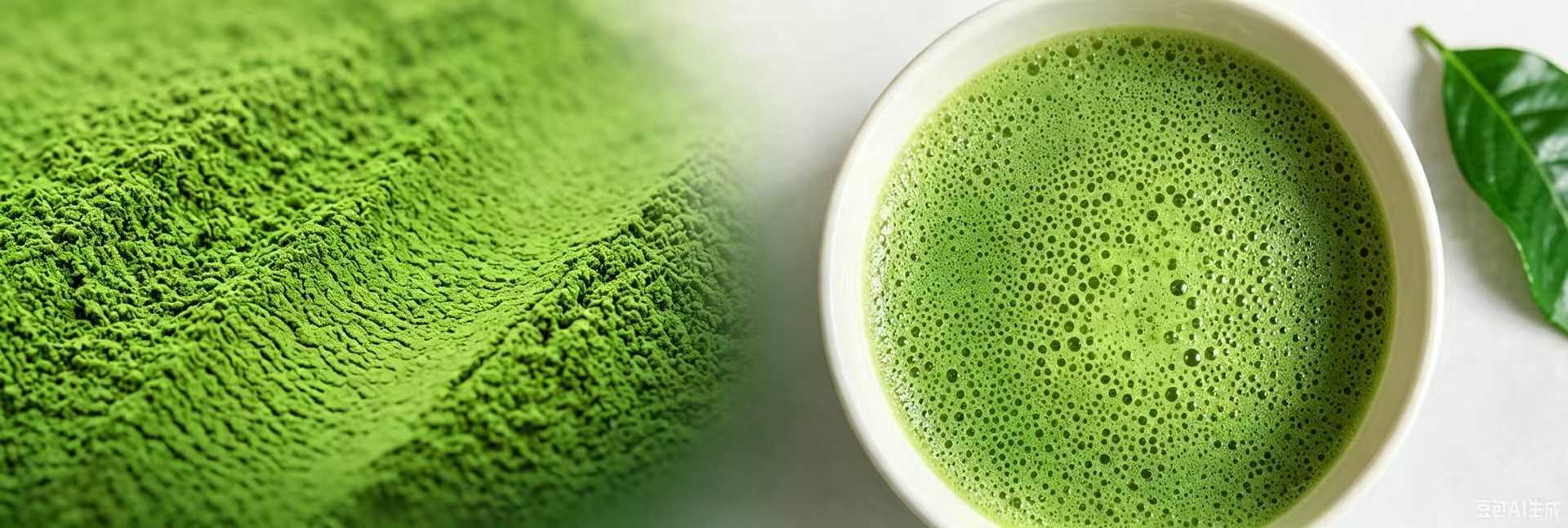
Protect matcha from heat, light, air and moisture.
Keep sealed product in appropriate cool conditions, minimize exposure after opening and follow the storage guidance for the confirmed pack format.
Latest matcha knowledge for product decisions.
Explore cultivation, processing, preparation, storage and application topics for commercial use.
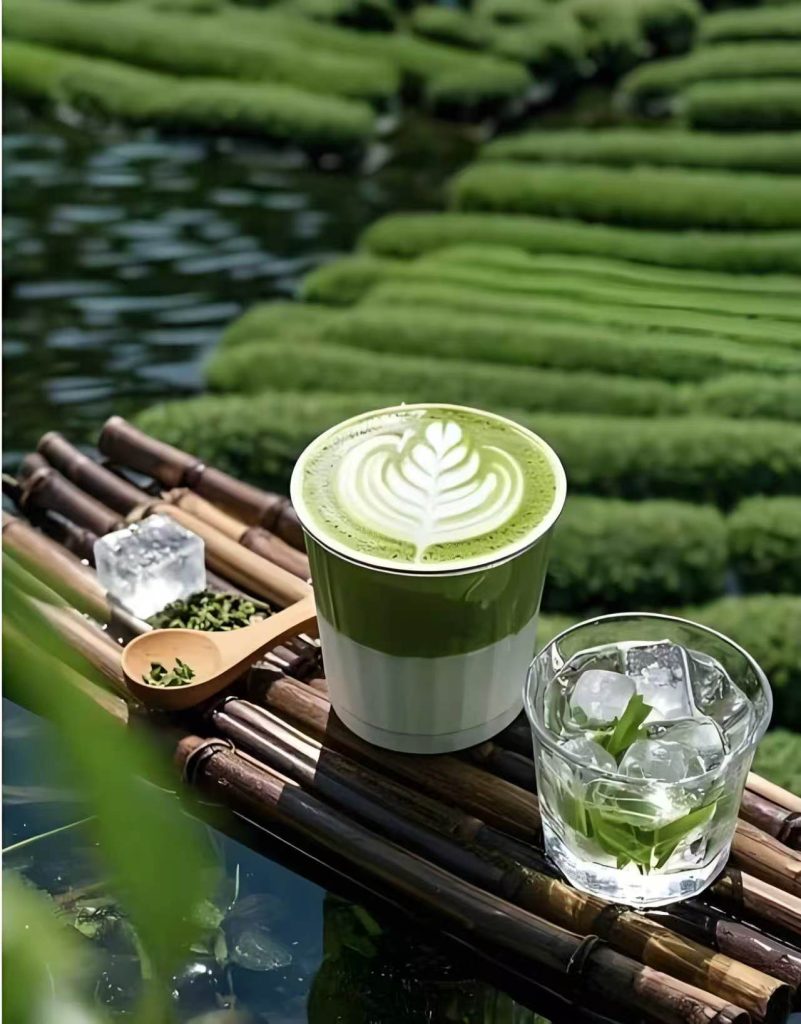
How to Build a Matcha Latte That Holds Color and Flavor
A practical formulation guide for balancing matcha dosage, milk base, sweetness and service conditions before choosing a commercial grade.
Read articleMatcha Milk Tea: A Modern Beverage with Lasting Appeal
Discover how matcha, milk, sweetness and preparation work together to create a smooth, colorful beverage for cafés and modern drink menus.
Read article