
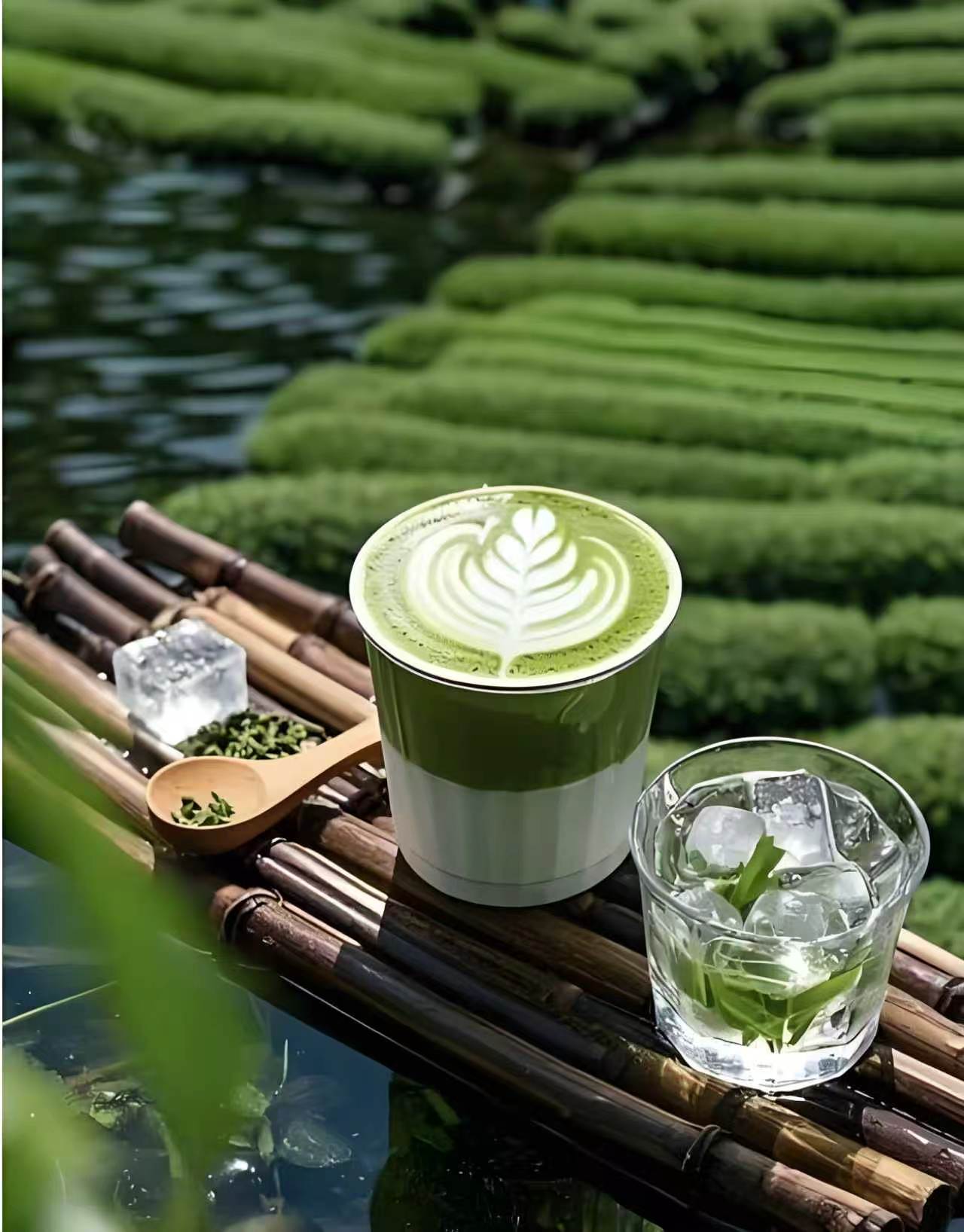
A strong matcha latte is not defined by powder color alone. The final drink is shaped by matcha dosage, milk base, sweetness, water temperature, dispersion and the time between preparation and service. Buyers get more useful samples when these conditions are fixed before grades are compared.
Start with the finished drink
Write a short product brief before choosing a grade. Specify whether the drink will be served hot or iced, prepared to order or held in a batch, sweetened or unsweetened, and made with dairy, oat, soy or another base. Add the target retail price and destination market. These details determine whether the priority is refined flavor, color strength, cost control or stability in the finished system.
Set a dosage range before comparing grades
Use the same matcha dosage in every first-round comparison. For a 250 ml café-style drink, many teams begin with a narrow working range and adjust from there according to milk opacity and sweetness. The exact level is less important than keeping it consistent across samples. If dosage changes from cup to cup, it becomes difficult to tell whether the improvement came from the matcha or simply from using more powder.
Match the grade to the milk base
Dairy and plant-based milks do not carry matcha in the same way. Fat, protein, natural sweetness and opacity can soften aroma, reduce perceived bitterness or hide green color. A grade that tastes balanced in water may feel too quiet in oat milk, while a more assertive profile can become harsh in a lightly sweetened dairy drink.
Evaluate matcha in the actual milk base and sweetness level planned for sale—not only as a whisked water sample.
Control dispersion before judging flavor
Clumps create uneven color, a sandy finish and misleading bitterness. Sift the powder, pre-disperse it with a measured amount of water and use the same mixing method for every sample. Record water temperature, mixing time and equipment. For larger production, repeat the test with the mixer, shear level and order of addition intended for the factory process.
Check sweetness and temperature together
Sweetener changes more than sweetness. It can soften astringency, shift aroma and influence how strong the matcha appears. Temperature also changes perception: a hot latte may emphasize aroma and bitterness, while ice and dilution can make the same formula taste lighter. Compare the drink at service temperature and again after a realistic holding period.
Use a repeatable bench sequence
- Fix the cup size, milk base, sweetener and matcha dosage.
- Prepare every sample with the same water temperature and mixing method.
- Score finished color, aroma, first sip, aftertaste and mouthfeel.
- Recheck the drink after the normal service or holding time.
- Photograph each sample in the same light and record the formula beside it.
Send the supplier a useful result
When requesting the next sample round, share the formula, preparation method, target color, flavor direction and what changed during holding. Include expected monthly volume, packing preference and launch timing. A clear brief allows the supplier to recommend a narrower, more relevant grade range and helps the development team reach a commercial decision faster.
